The Most Effective Sustainability Stories Start with People
Over the last several years, sustainability has evolved from a corporate talking point into a central part of how modern companies operate, compete, recruit, and communicate. Organizations now publish detailed ESG reports, outline ambitious net-zero goals, and promote long-term sustainability commitments across nearly every industry. But while those initiatives are important, audiences increasingly want more than polished statements and high-level metrics. Employees, customers, and partners want to understand what sustainability actually looks like inside an organization and how those values show up in everyday work. One of the more interesting examples of this approach was a series we helped produce for Trane Technologies, with Benco serving as the video production company and Oxygen Group (Davidson, NC) leading the agency strategy and creative direction, called “Purpose Profiles.” The initiative focused on a simple but powerful idea: every job is a sustainability job. Instead of approaching sustainability only from a leadership or corporate messaging perspective, the series highlighted employees across different departments and explored how their individual roles contributed to the company’s broader mission of building a more sustainable future.
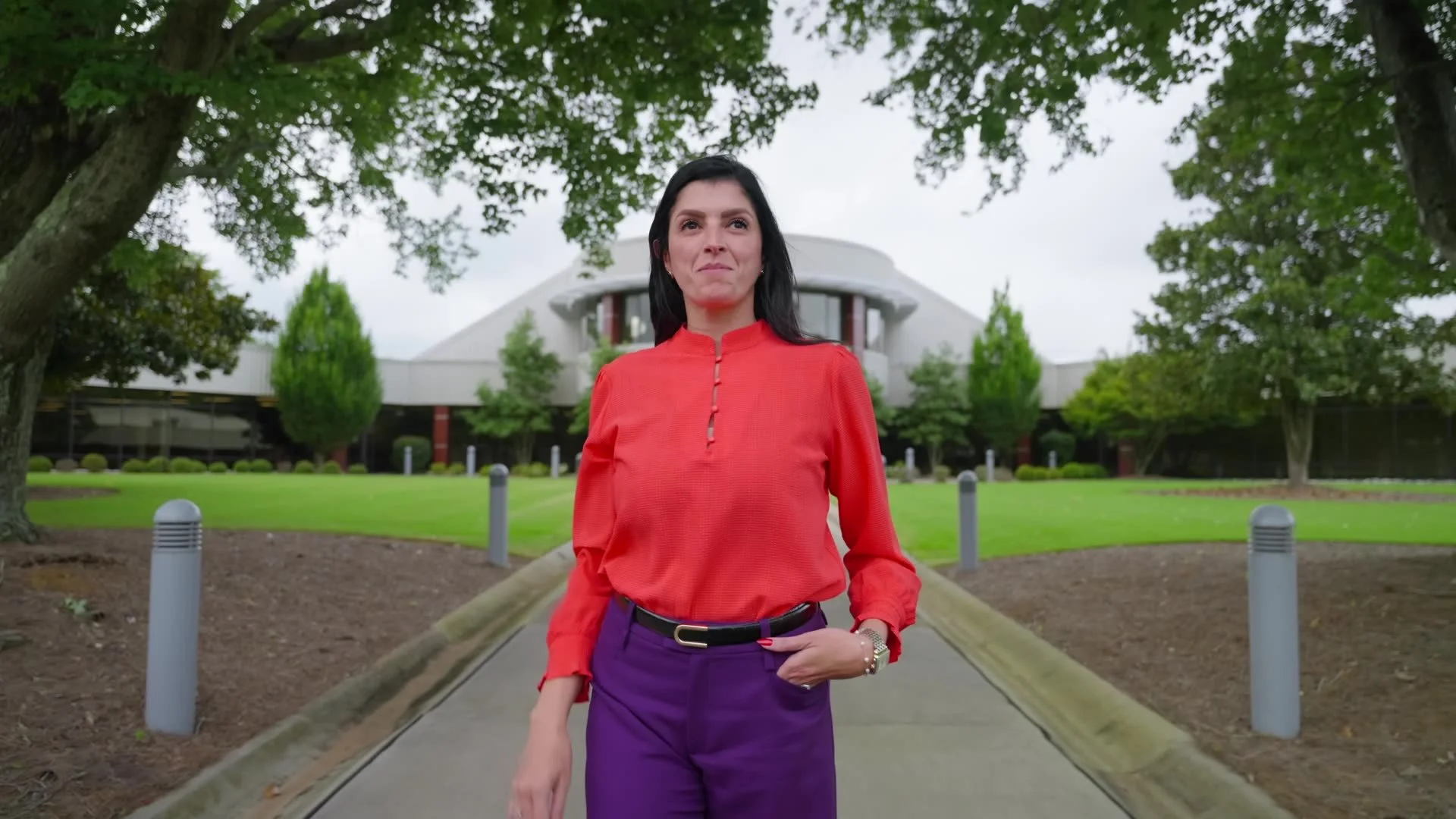
What made the concept so effective was that it translated a large corporate initiative into something personal and human. Rather than relying entirely on executive interviews or polished brand language, the series focused on people doing real work inside the organization. A marketing professional, an operations team member, or someone working in finance could all articulate how their role connected to the company’s sustainability commitments. That shift in perspective made the messaging feel far more authentic and believable because viewers could see the mission being carried out by actual employees rather than simply described in a boardroom. Internally, this type of storytelling can strengthen culture and reinforce a sense of shared purpose across teams. Externally, it helps companies build credibility with recruits, customers, and partners who increasingly want to work with organizations that demonstrate clear values and meaningful action. The strongest corporate storytelling today is often less about selling a company and more about revealing the people and processes that make the company what it is.
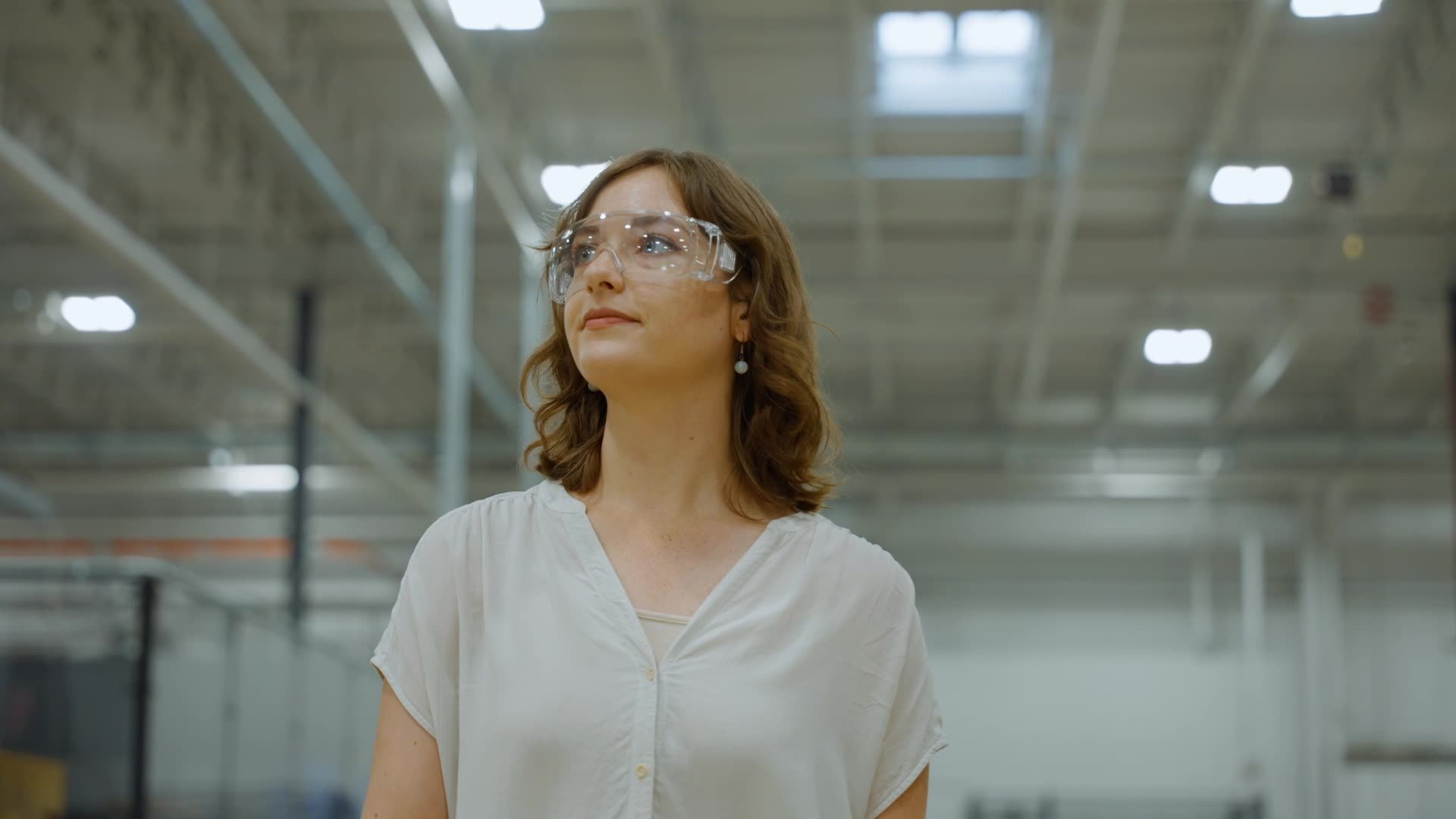
From a production standpoint, this format also works because it creates a scalable content system rather than a single standalone campaign. For the Trane Technologies project, each piece was designed as a concise 60–90 second film built around documentary-style interviews and cinematic b-roll. The shorter runtime allowed the videos to work across multiple platforms while remaining focused and emotionally engaging. More importantly, the structure created an evergreen library of content that could be used for recruiting, internal communications, social media, conferences, onboarding, and broader brand storytelling. Instead of producing one large corporate overview video with a limited lifespan, the company developed a repeatable framework that could continue evolving over time with new employees, departments, and initiatives. This is increasingly where we see the most value in branded content — not simply producing videos, but creating long-term storytelling systems that help organizations communicate consistently and authentically across platforms over time.
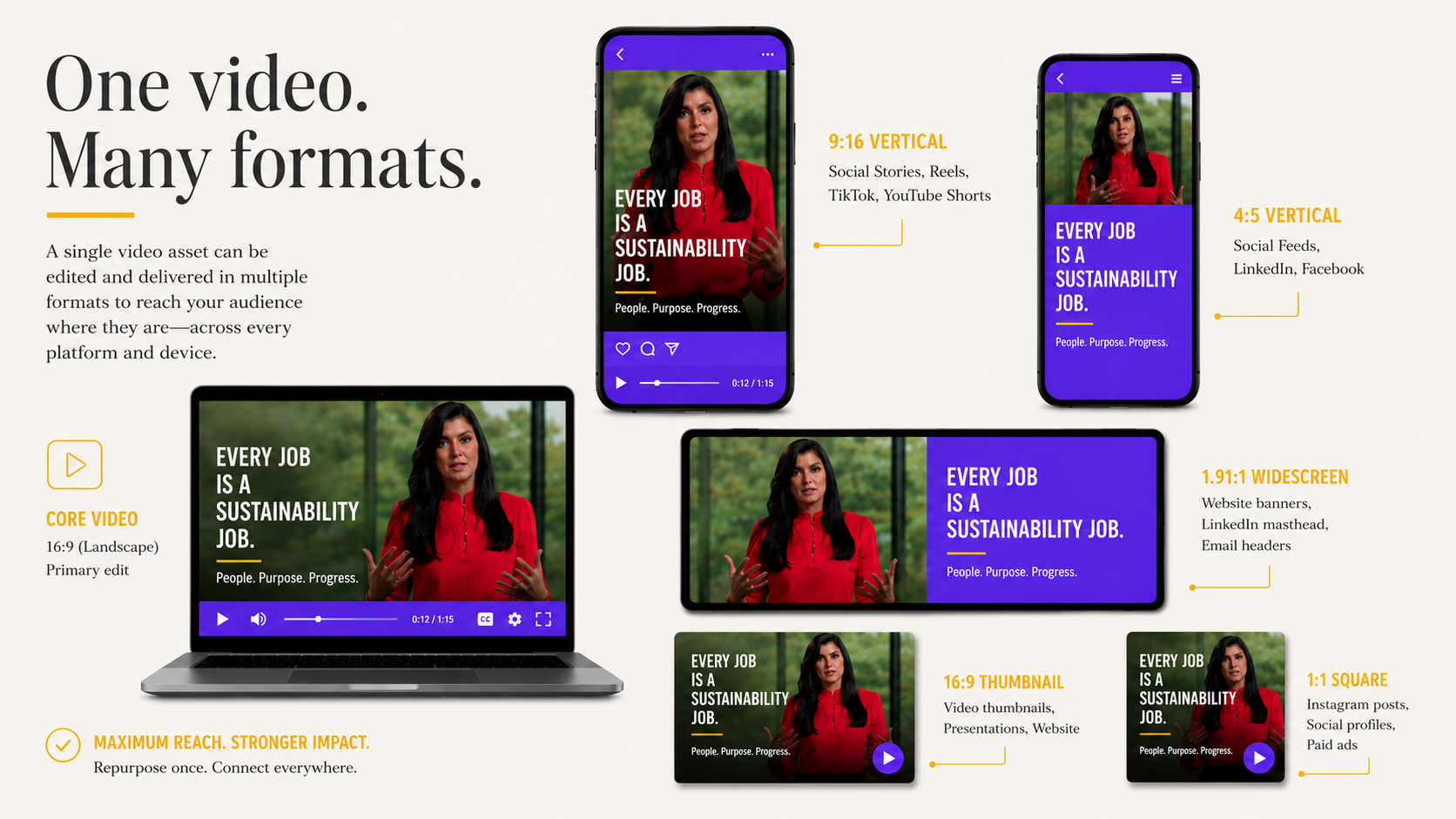
One interview can become an entire cross-platform content system.
As more companies invest in sustainability initiatives, the challenge will not simply be setting goals but communicating those goals in a way that feels tangible and credible. The organizations doing this best are often the ones willing to spotlight the people behind the mission: the inspectors, warehouse teams, logistics coordinators, engineers, sourcing specialists, and operations staff whose day-to-day work ultimately shapes the company’s impact. That approach extends far beyond sustainability alone. Whether in manufacturing, healthcare, education, technology, or supply chain management, modern audiences respond to stories that feel grounded in real people and real experiences. In many ways, that is the direction corporate storytelling is moving as a whole. The most effective brand narratives today are no longer built entirely around polished messaging or marketing campaigns. They are built around authentic human stories that give audiences a clearer understanding of what a company stands for and the people working every day to move that mission forward.