

What Extreme Environments Can Teach Us About Leadership
Recently, I had the opportunity to sit down with my brother, Dr. Joshua Allison, for a Lunch & Learn at the Hurt Hub at Davidson College.
Josh is a physician, expedition medic, leadership facilitator and founder of Kairos, a company that takes leaders and teams out of their traditional working environments and into some of the world’s most extraordinary places.
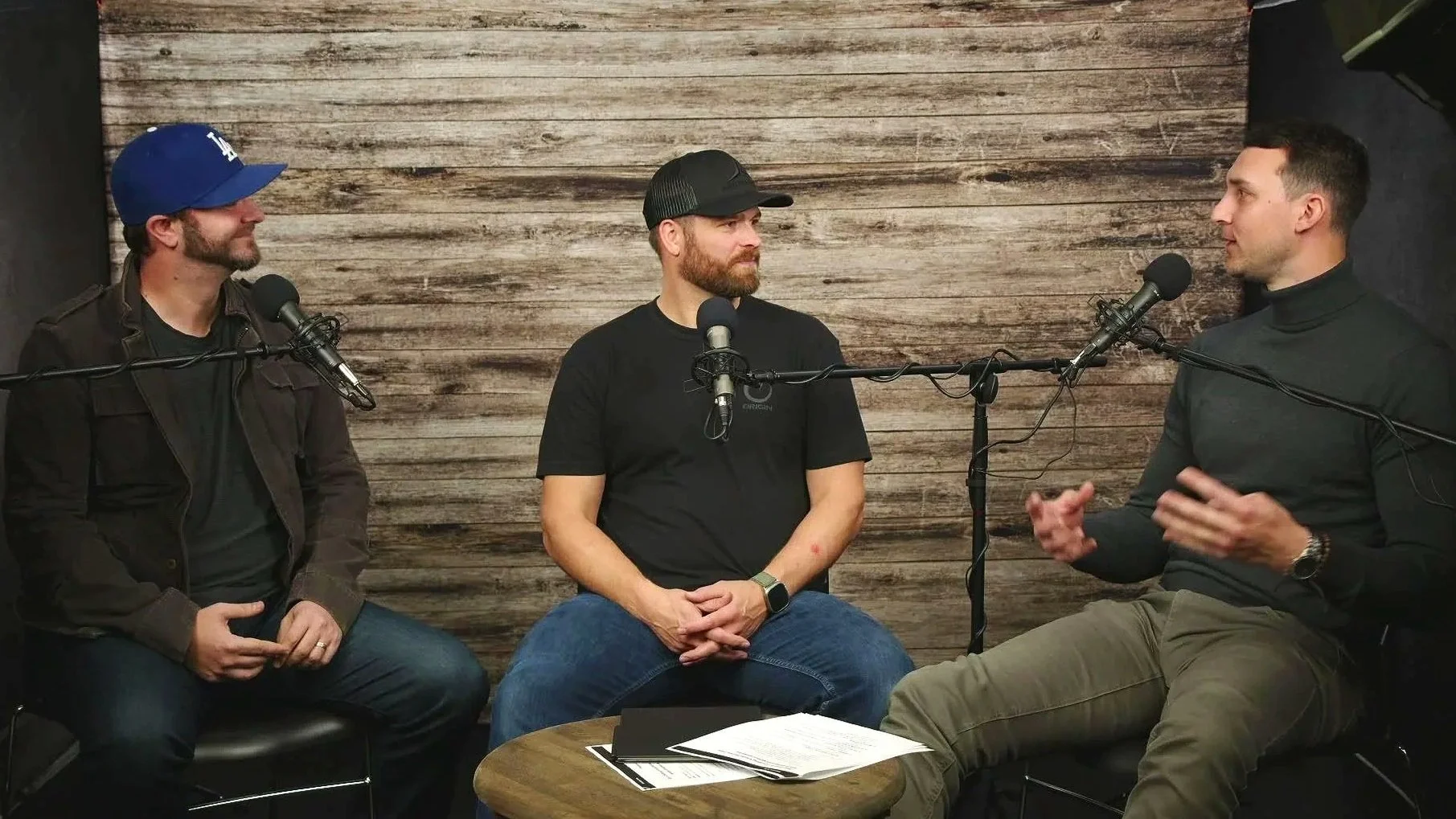
How a $2,000 Commercial Accidentally Got 176 Million Views
We sat down with Adam Franklin of Creative Chops to talk Hollywood, motion graphics, a viral accident, and what filmmaking looks like in the age of AI.
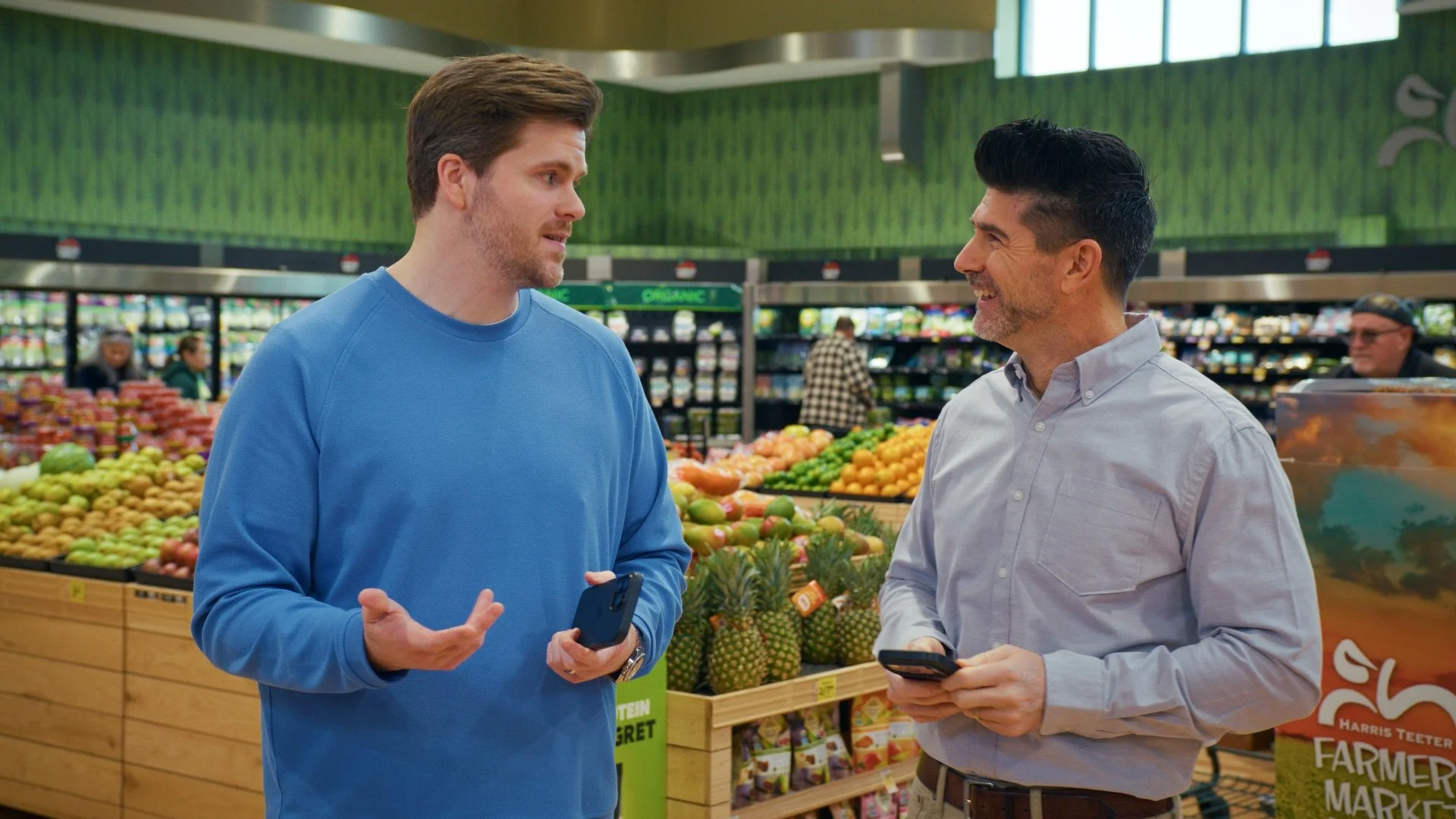
How We Filmed Inside a Live Harris Teeter Store
At the start of this year, we partnered with Harris Teeter to film a series of internal communication videos—capturing real customer interviews inside a live store.
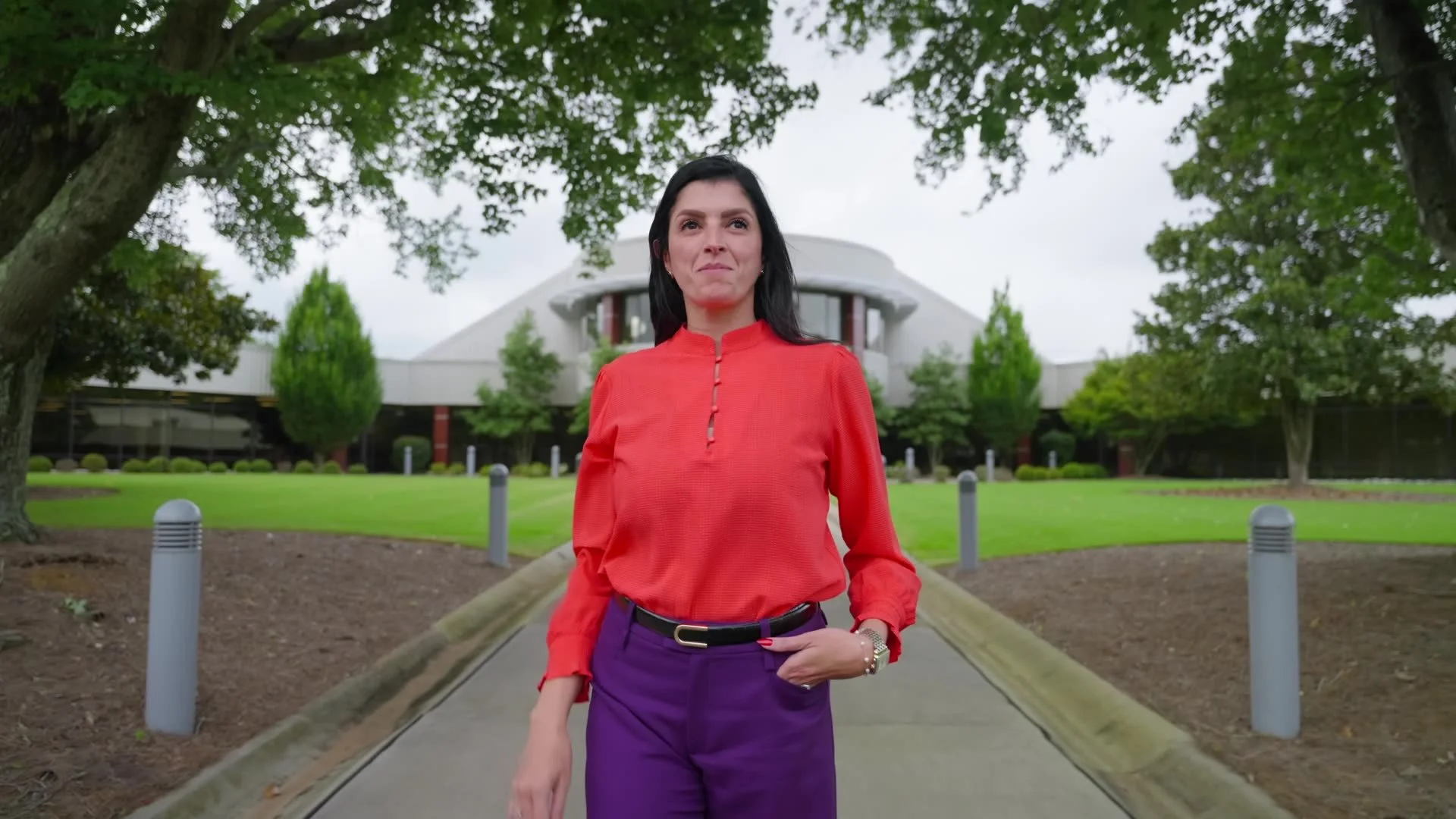
The Most Effective Sustainability Stories Start with People
Over the last several years, sustainability has evolved from a corporate talking point into a central part of how modern companies operate, compete, recruit, and communicate. Organizations now publish detailed ESG reports, outline ambitious net-zero goals, and promote long-term sustainability commitments across nearly every industry.
Inside a Global Production: How We Captured Sourceability’s Story Worldwide
Last year, we had the opportunity to take on one of the most ambitious projects we’ve worked on at Benco. In partnership with Sourceability, we set out to tell a global story — one that reflects not just what they do, but how consistently they do it, no matter where they are in the world.
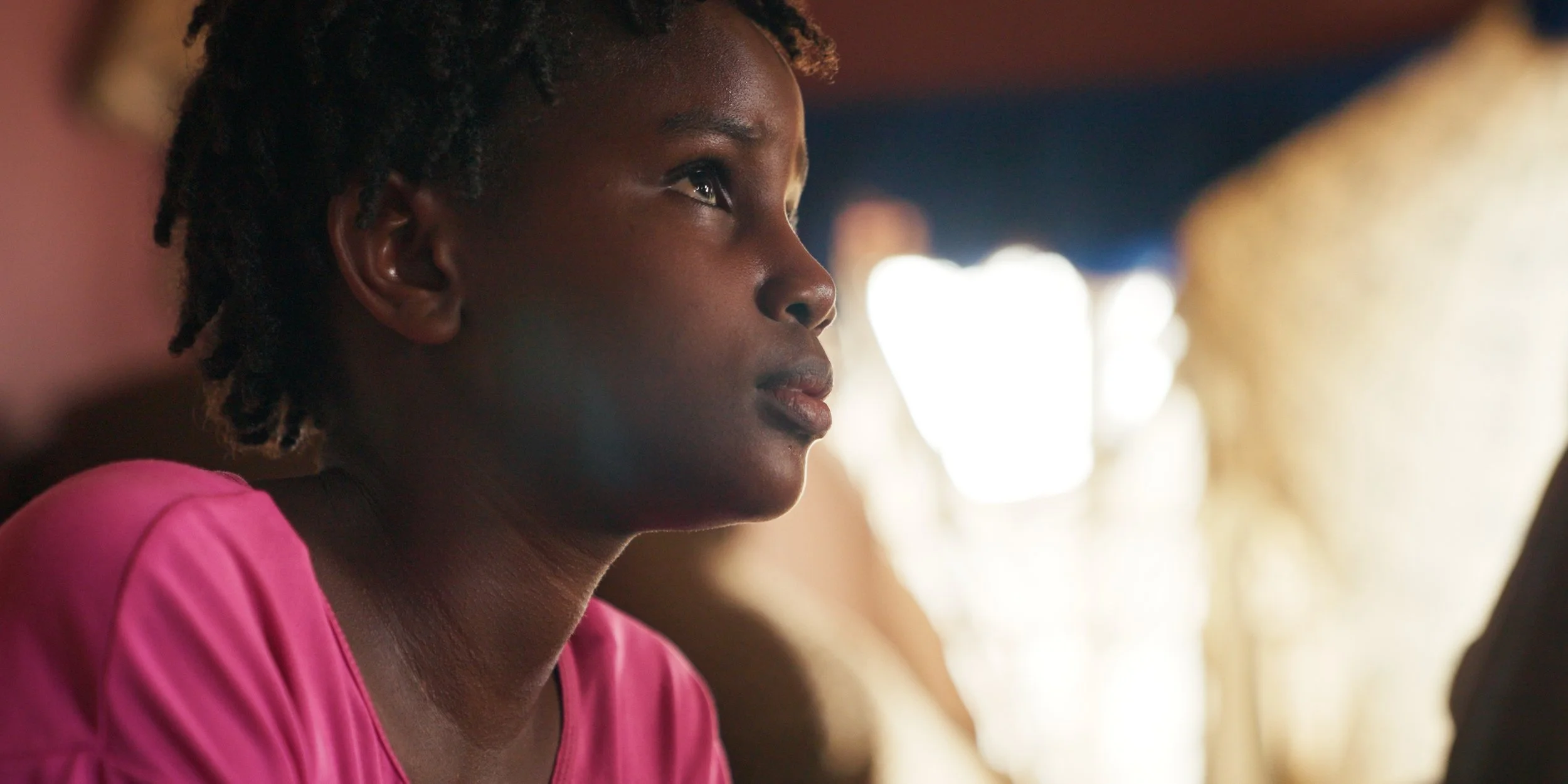
Back Home in Benin City, Nigeria.
I’m scrunched in the back of a minivan as old Benin City funk plays through the radio, the AC struggling to cool the packed van. My nausea rises as our Nigerian driver, Osas, swerves around potholes and dodges people darting into the street selling snacks and water.
A military officer sits beside me in a green uniform, a matching beret, and an AK-47 slung across his chest. He’s here to keep us safe and guide us through roadblocks across the city. He must be sweltering in that uniform—but I guess the locals are used to the heat.
I’m traveling with a group of five other Americans as we make our way to visit the home of a young boy in the Access 2 Success (A2S) program. It’s our first time outside the gates of the hotel or the youth center. We’re about to meet Jothan and his family.

Why “People Like Me” Is the Most Powerful Persuasion Tool
Why audiences trust peers more than brands — and how to show that visually
We’ve all felt it.
You open a social app to catch up with friends, see what people are up to, or kill a few minutes—and you’re immediately surrounded by marketing. Social platforms didn’t start as advertising channels; they started as places for human connection. Over time, brands followed attention into these spaces, not because audiences asked for more ads, but because people were already there. That shift matters. When marketing shows up in an environment designed for social interaction, the content that earns trust isn’t the loudest or most polished—it’s the content that feels human.

How AI Helps Video Deliver Real Return on Investment
For most brands and organizations, video isn’t the problem.
The problem is what happens after the video is made.
Great videos are launched with energy, shared a few times, and then quietly disappear — without clear data, without measurable impact, and without contributing meaningfully to long-term goals. This is where AI can change the equation, not by replacing creative work, but by turning video into a system.

Sticks & Holler: Principal Photography Wrapped — What’s Next?
After months of planning and preparation, we’re thrilled to share that Sticks & Holler — our Appalachian dark comedy TV pilot written and directed by Willie Simmons and co-produced by Stoop Kids and Benco Productions — has officially wrapped principal photography!

Are Testimonial Videos Still Effective?
In his book Ogilvy on Advertising, David Ogilvy wrote about the selling power of testimonial commercials. To him, having a real person, or a convincing actor, speak persuasively about a product or service could shift brand perception and drive sales. Decades later, marketing has evolved in almost every way. Social media dominates attention, short-form video is king, and consumer trust is more fragmented than ever.