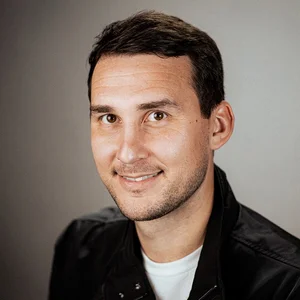
Back Home in Benin City, Nigeria.
I’m scrunched in the back of a minivan as old Benin City funk plays through the radio, the AC struggling to cool the packed van. My nausea rises as our Nigerian driver, Osas, swerves around potholes and dodges people darting into the street selling snacks and water.
A military officer sits beside me in a green uniform, a matching beret, and an AK-47 slung across his chest. He’s here to keep us safe and guide us through roadblocks across the city. He must be sweltering in that uniform—but I guess the locals are used to the heat.
I’m traveling with a group of five other Americans as we make our way to visit the home of a young boy in the Access 2 Success (A2S) program. It’s our first time outside the gates of the hotel or the youth center. We’re about to meet Jothan and his family.
But this moment—packed into the back of a van, stepping outside of what felt familiar—is exactly why I came back to Nigeria.
My involvement with A2S has grown over time, and this trip marked my second visit to Nigeria in the past two years. I joined a group of Americans for a 12-day service and skill-sharing trip, working alongside the A2S team to support their mission of expanding access to education, mentorship, and career opportunities for young people in Benin City.
That first trip was defined by moments that were eye-opening, emotional, and, at times, overwhelming. It gave me a new awareness—not just of the under-resourced realities many communities face, but also of the incredible resilience, faith, and trust in something bigger than ourselves that exists within them.
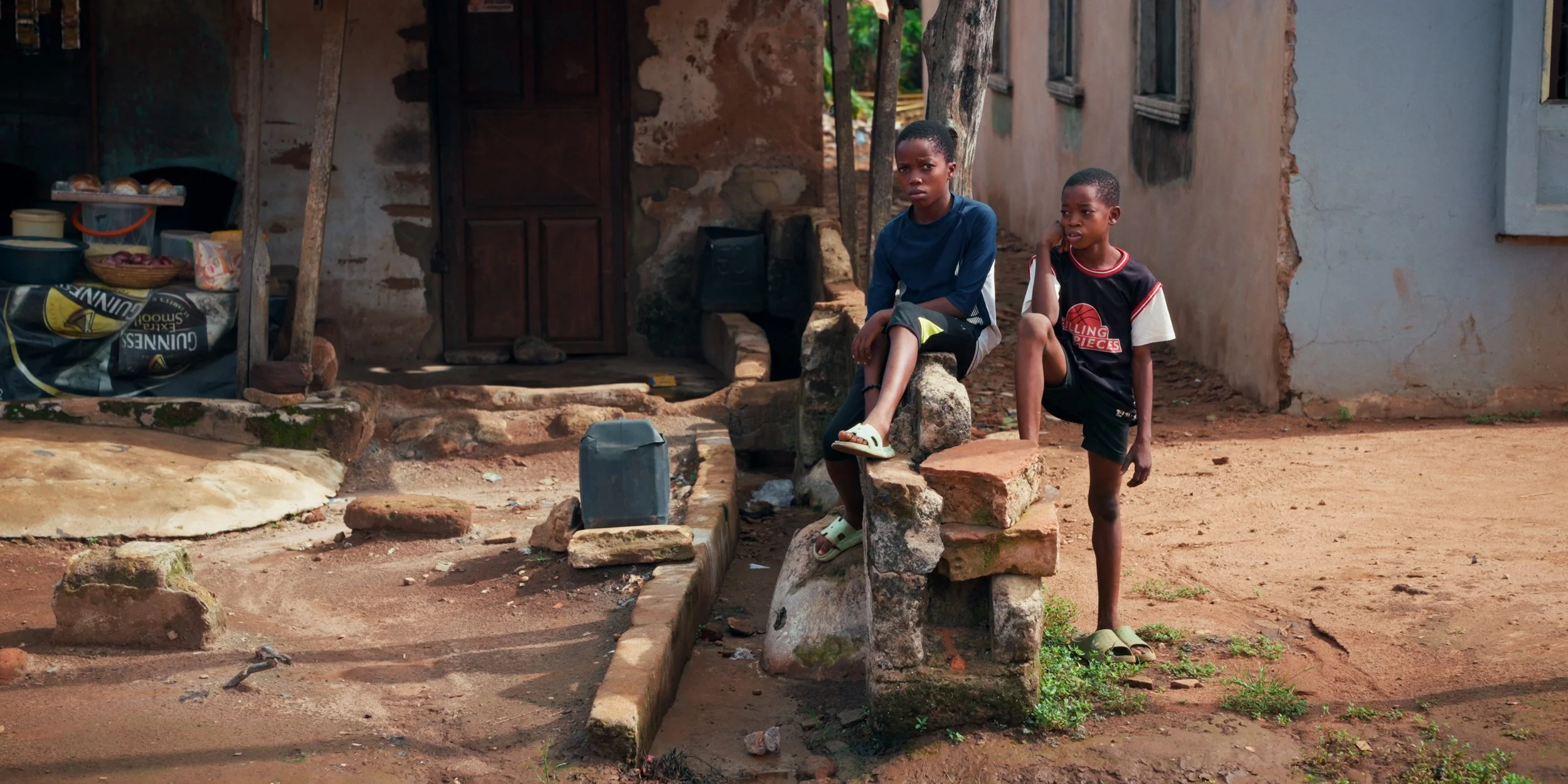
The minibus came to a stop, and we gladly poured out to stretch our legs. Everything around us was some shade of dirt—brown and orange stretching in every direction. Kids played in the street, drifting closer, gathering curiously around the van.
We met Jothan outside his home, and he welcomed us in. In stark contrast to the bright, relentless African sun, the entry hallway was in complete darkness. Electricity is an extremely scarce resource in Nigeria, often coming from small generators or power banks used to provide light and cook meals. When there’s no money to run the generator—as is often the case—families like Jothan’s live in the dark.
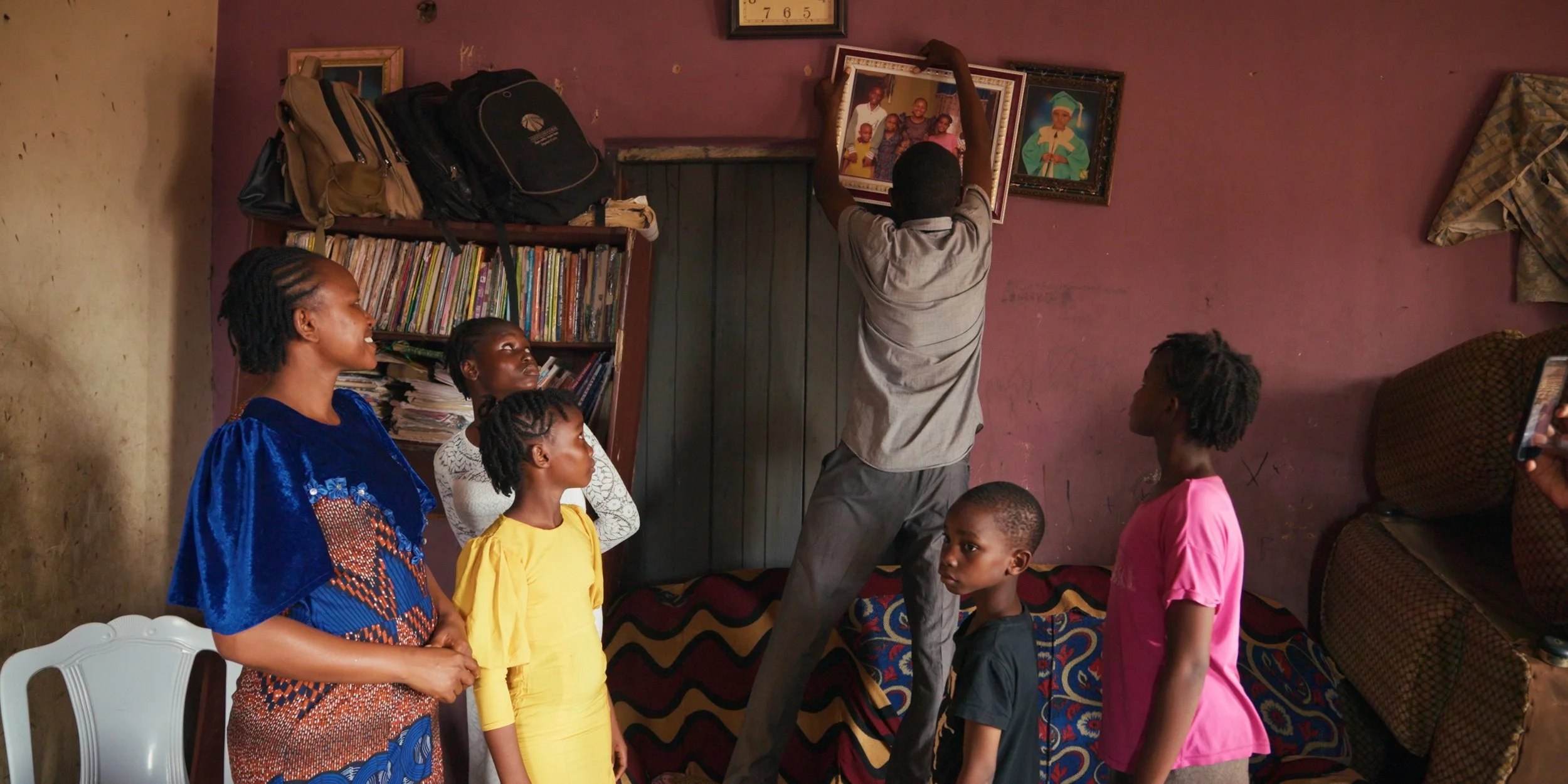
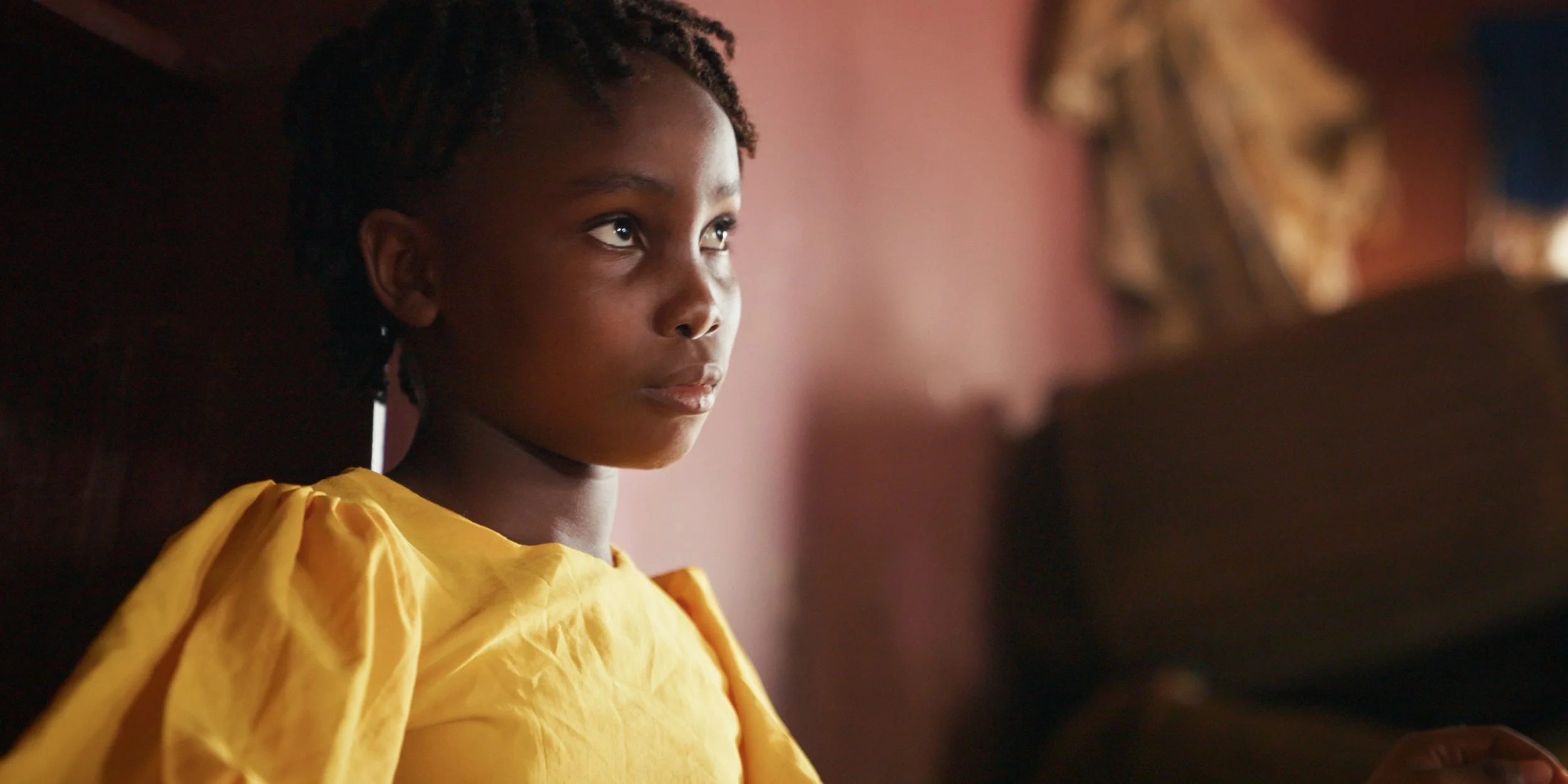
We climbed the concrete stairs to the second floor. A tattered blanket hung in place of a door, separating his home from the rest of the building. Inside, seventeen-year-old Jothan and his family greeted us. Standing in a line, quietly and politely, his mother, his brother, and his sisters.
As Jothan began to share his story, the weight of what that family had endured became clear. He was just nine years old when his father left, and from that point on, the responsibility of raising five children fell entirely on his mother. She did whatever she could to keep the family afloat: styling hair, selling pastries, working long days that still barely stretched far enough. Like many families in Benin City, survival wasn’t a phase, it was a daily reality. This relentless way of life was all they knew.
Jothan and his siblings stepped into that reality early, helping sell snacks after school, doing whatever they could to contribute. Even then, it was never quite enough, just enough to get through the day and try again tomorrow.
And yet, standing in front of us, Jothan didn’t speak with frustration, he spoke with purpose. He talked about waking up early to study and returning home late at night, driven by a single goal: to build a life where his mother no longer has to carry that burden alone.
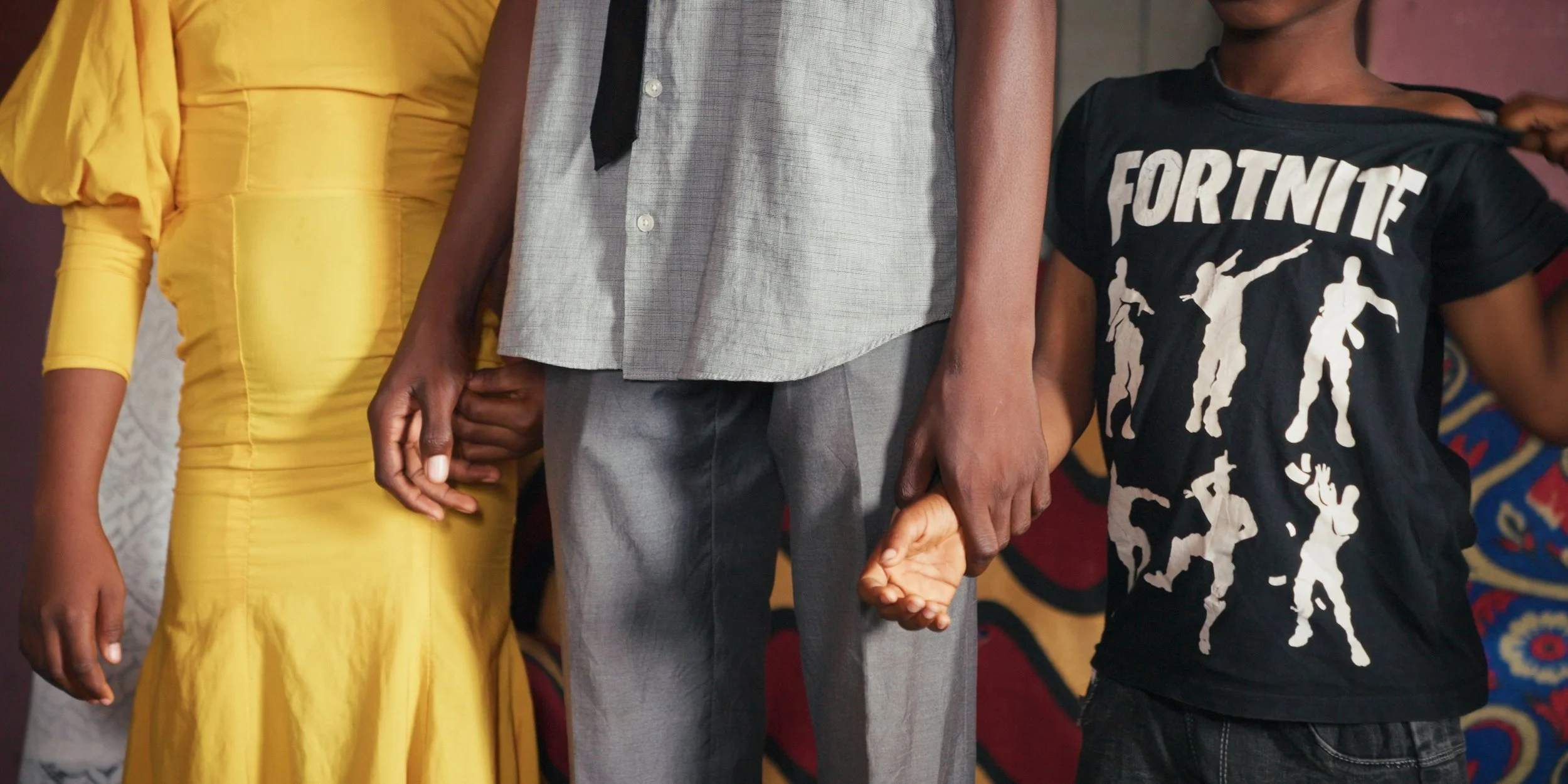
Jothan stood there holding his sisters’ hands as he spoke. A simple gesture, but one that carried connection, reassurance, and love.
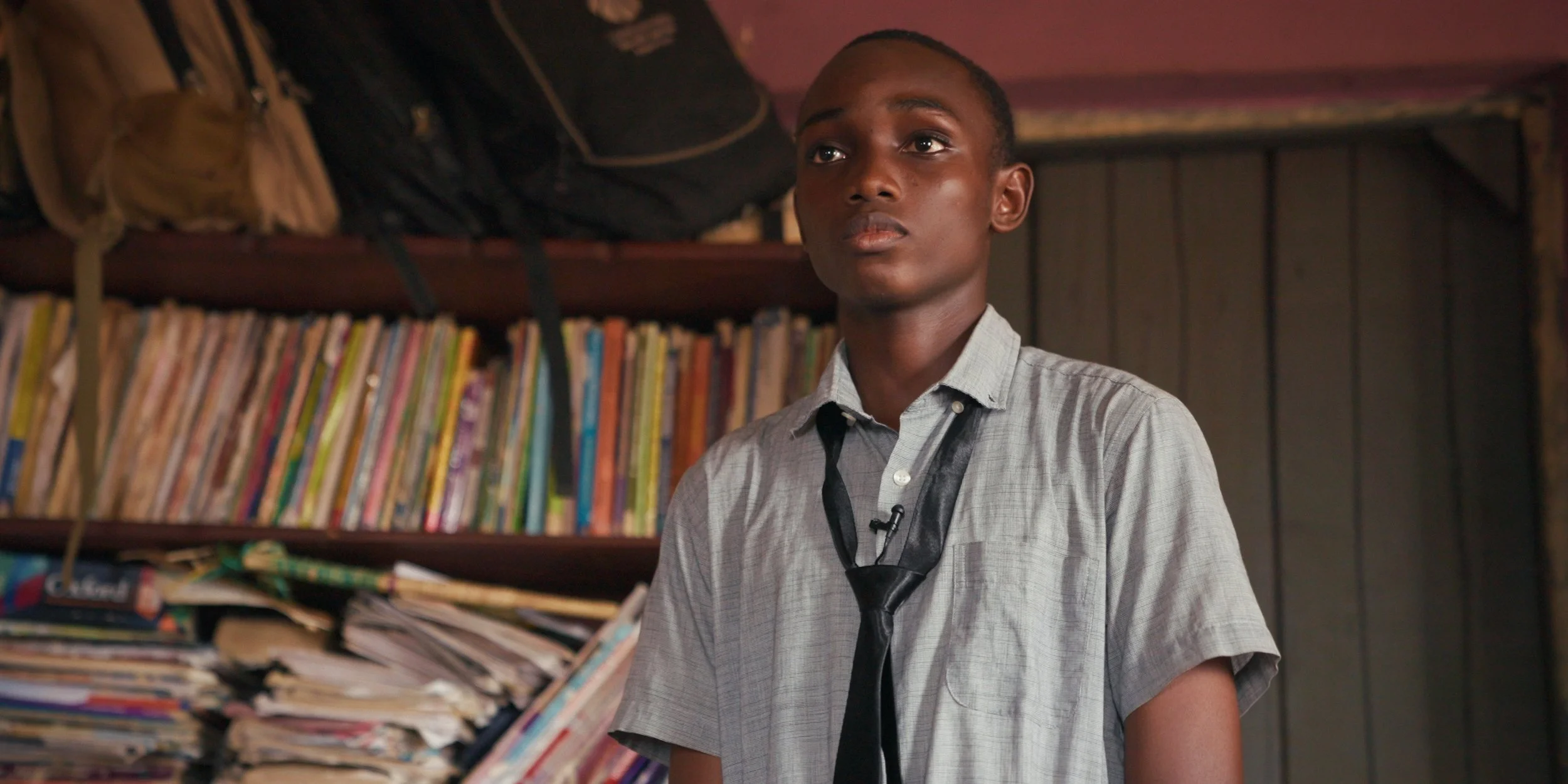
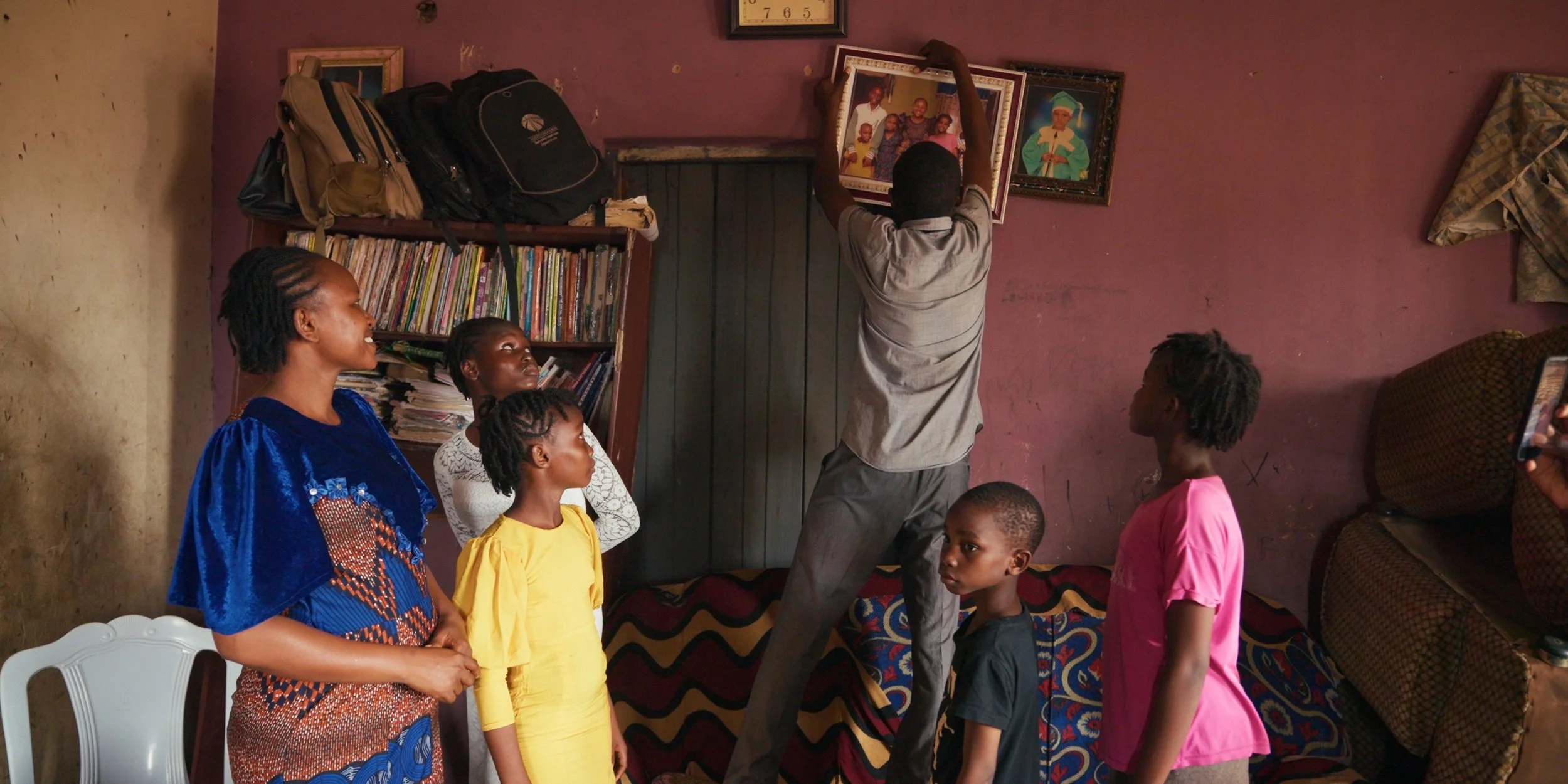
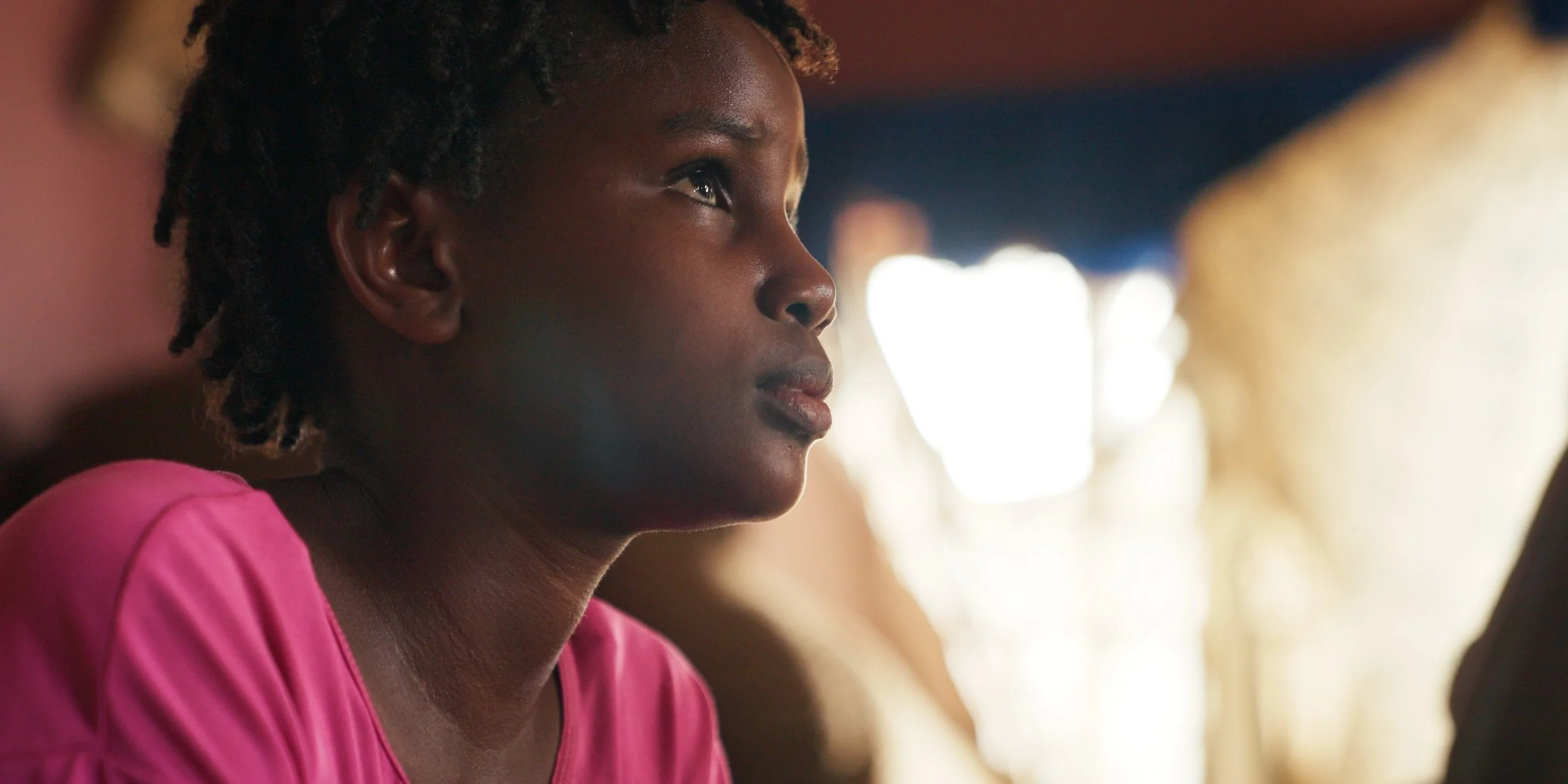
I was deeply moved. Not by what Jothan’s family lacked, but by what they had. By most American standards, their home held very few material possessions. But what they did have, they valued completely. Their sense of pride, of presence, of togetherness was unmistakable.
We gifted Jothan and his family a framed family portrait taken by a local photographer—likely one of the first printed photos they had ever received. They immediately hung it on the wall behind them, then stepped back together to admire it.
In that moment, I began to rethink what “home” really means. Not a place defined by comfort or abundance, but by the people within it and the relationships that hold it together.
Back in the U.S., I’ve been renovating a house built in the 1950s—a beautiful place that, at times, feels quiet and empty. At the same time, getting to Nigeria is no small journey. Long travel days, an 11-hour transatlantic flight, and multiple connections just to arrive. It’s physically exhausting. And yet, stepping off the plane in Benin City for the second time, something felt different.
As soon as we exited baggage claim, we were greeted by big smiles and warm hugs—AB, Tayo, Glory, Uche, Miss Thecla. The whole crew was there.
I was welcomed in like a brother, like family.
I felt… home.
And when something begins to feel like home, you start to care differently. You start to feel a responsibility—not just to witness, but to contribute.
The people we met in Benin City did not lack motivation or ambition. In fact, they are among the most resilient people I’ve ever encountered. What they lack is access. Access to consistent education, reliable infrastructure, and the stability that allows someone to plan beyond survival.
Today, much of Nigeria’s workforce operates within what is often described as a “survivalist” economy—nearly 93% working in the informal sector—and more than 90% of Nigerians have less than ₦500,000 (approximately $300) in their bank accounts. Survival is the goal. But spending time with families like Jothan’s, it became clear that the issue isn’t a lack of drive—it’s a lack of opportunity.
And I started to realize that maybe home isn’t something you build or arrive at. Maybe it’s something you feel. Something created by the people around you, by connection, by shared purpose, and by love.
As Access to Success looks toward the future, they are building something they call the OWA Center—“Owa” meaning “home” in the local Bini language. It’s more than just a facility. It’s a place designed to bring together opportunity, wellness, and advancement—a central hub for education, career development, and athletics, all under one roof. But after everything I experienced, that word carries a deeper meaning. Because I’ve come to understand that home isn’t defined by walls or resources—it’s built through people, through community, and through the belief that something better is possible. And if there’s one thing I know for certain, it’s that what A2S is building in Benin City isn’t just a center. They’re building a home.