What Extreme Environments Can Teach Us About Leadership
Recently, I had the opportunity to sit down with my brother, Dr. Joshua Allison, for a Lunch & Learn at the Hurt Hub at Davidson College.
Josh is a physician, expedition medic, leadership facilitator and founder of Kairos, a company that takes leaders and teams out of their traditional working environments and into some of the world’s most extraordinary places. Over the course of 45 minutes, we talked about what years spent in jungles, mountains and Arctic environments have taught him about leadership, culture and the way people behave under pressure.
What struck me was how relevant many of those lessons are to organizations operating far away from an expedition.
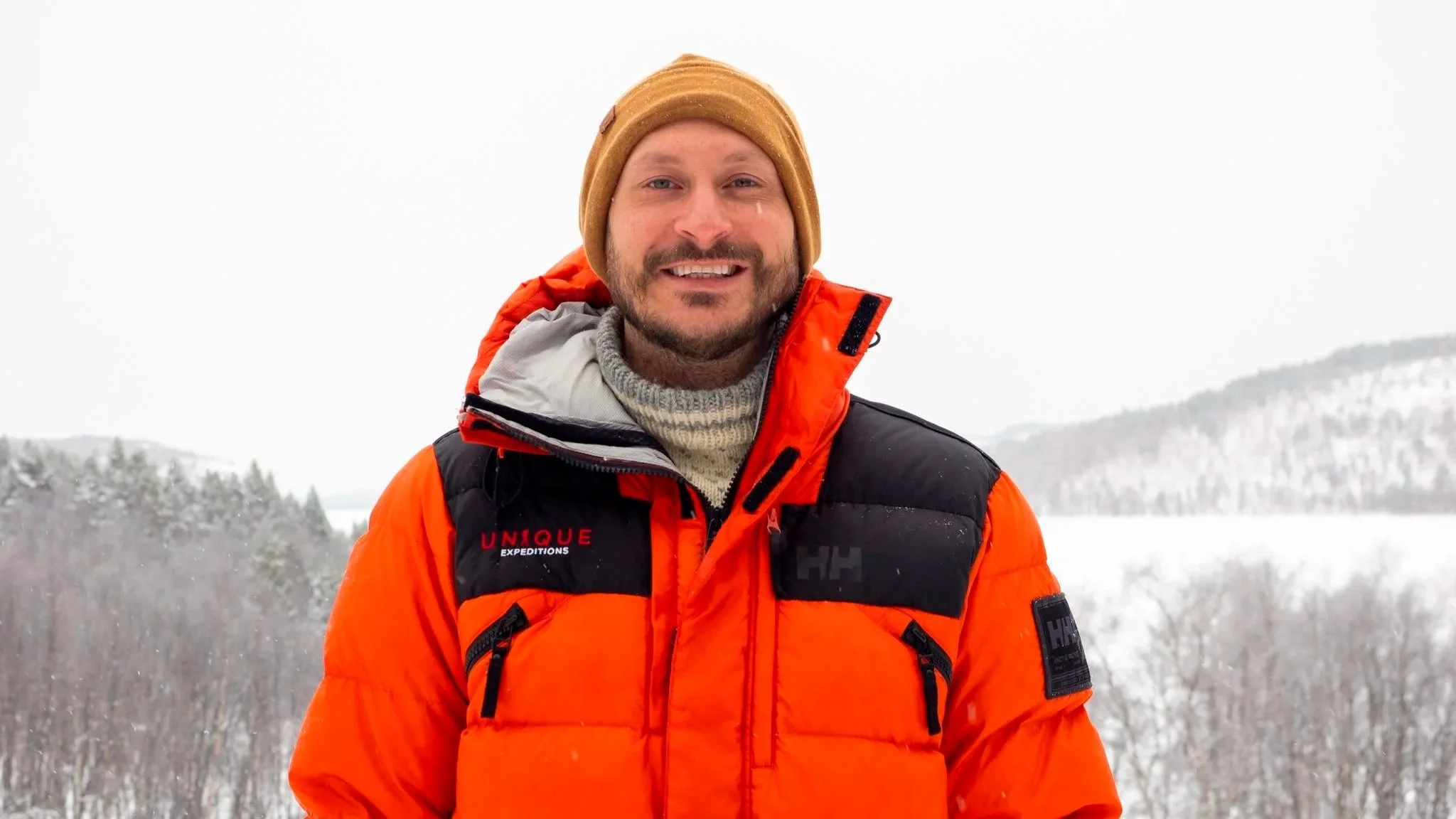
Expedition medic, Dr. Joshua Allison
Pressure doesn’t necessarily change us. It reveals us.
One of Josh’s central ideas was that challenging environments act as an accelerator. Put someone in freezing rain on the side of a mountain, remove the familiar hierarchy of the office, and the patterns that were already there become much harder to hide.
As Josh put it, when a senior executive and a junior colleague are standing on the same hillside, cold and uncomfortable, titles suddenly matter a lot less. What emerges instead is how people actually communicate, respond to uncertainty, support one another and make decisions.
That idea feels particularly relevant to leadership and company culture. We can spend hours defining our values, but our culture is ultimately demonstrated through behavior—especially when things get difficult.
Culture has to be experienced, not just discussed.
During our conversation, Josh described what he calls the “boardroom illusion”: organizations leave one conference room for another, discuss culture and change, write ideas on slides, and then return to work without anything fundamentally changing.
Real learning, he argues, becomes more powerful when it is felt.
His example was simple. You can tell someone that they have a tendency to interrupt others. But if they interrupt the person navigating their team through the wilderness and subsequently spend 40 minutes retracing their steps in freezing conditions, the consequence of that behavior becomes very real.
For organizations thinking about leadership development, that distinction is important. Knowing something intellectually and experiencing it are not the same thing.
Courage often comes after action.
Perhaps my favorite takeaway came toward the end of our conversation.
Josh has watched people enter environments completely outside their comfort zones and discover that they are capable of considerably more than they believed. His observation is that courage doesn’t always arrive before the challenge. Sometimes we take one step, then another, accomplish something difficult—and courage follows.
The experience changes the story we tell ourselves: I’m someone who can do this. I’m someone who can lead through uncertainty.
There’s something in that for anyone building a company, leading a team or navigating change.
At Benco, much of our work involves telling stories about leadership, people and organizational culture. Conversations like this are a reminder that the most compelling stories rarely come from simply stating what an organization believes. They come from seeing those beliefs demonstrated through people, decisions and experiences.
Listen to the full 45-minute conversation below, where Josh and I explore leadership under pressure, psychological safety, building resilient teams, culture change and what some of the world’s most challenging environments can teach us about ourselves.